
Who are we decorating for?
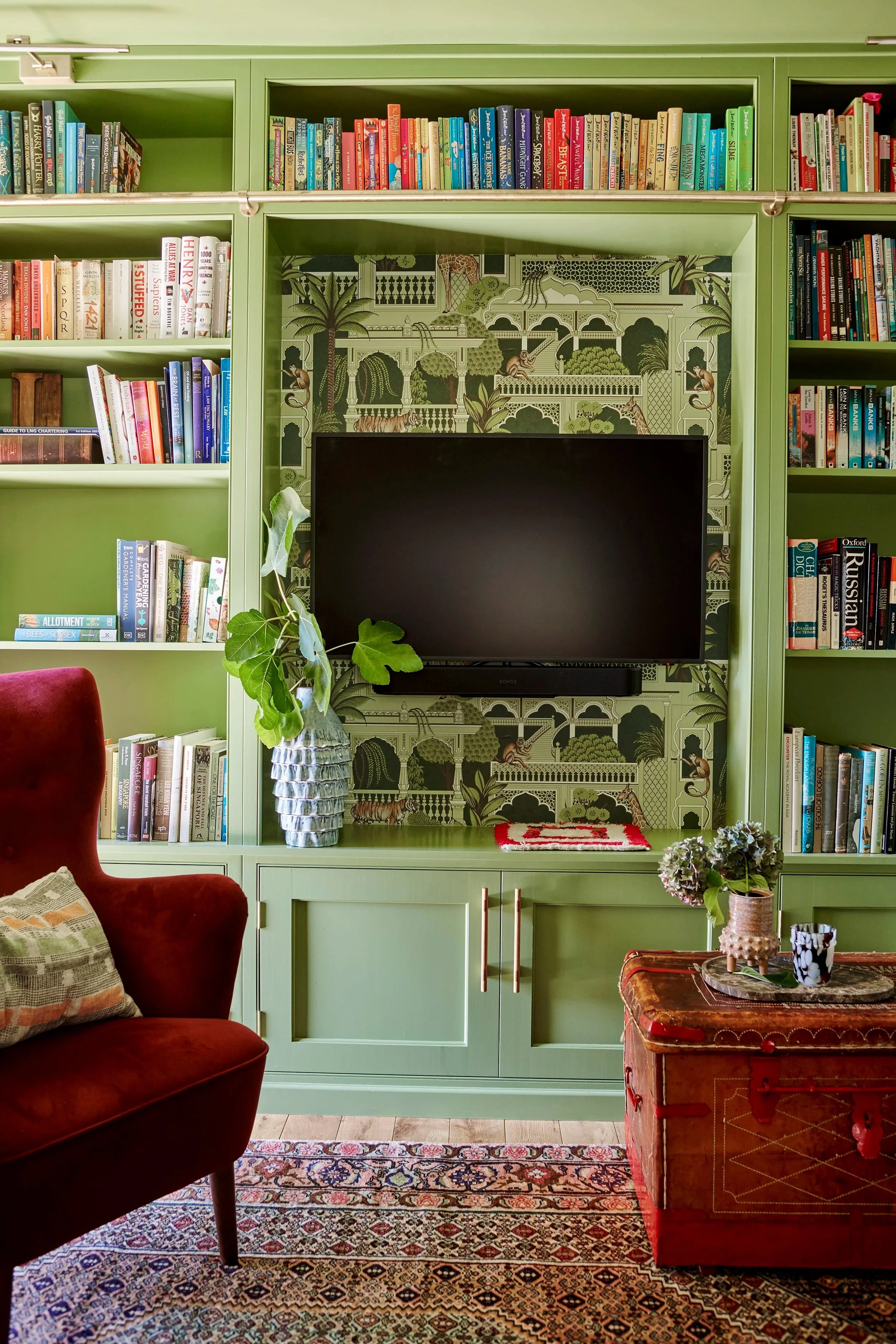
How we want our homes to be seen, how they are seen, and the different reactions they provoke is something I find quite intriguing.
I notice it when someone apologises for their home before you've even stepped through the door.
"It's a bit of a mess."
"We haven't really done anything with it yet."
"Please ignore the sofa."
It's fascinating that our homes have become so much more than simple domestic spaces where we eat, sleep and rest. That's not to say they were never used to signal wealth or status - of course they were. But for most of modern history, the homes of ordinary people were rarely seen by more than a handful of visitors outside the family.
Today, that's no longer true.
You could live alone, have only a small circle of friends, and yet hundreds of thousands of people might know exactly what your favourite corner of your home looks like.
It's because of that fishbowl lens, through which so many of our homes are now viewed thanks to social media, that we often find ourselves seeking external validation for them - whether we share photographs ourselves or not. Because even if we don't post our own homes online, we've almost certainly spent time admiring other people's, quietly judging them, envying them, or wondering how ours compares.
Of course, inspiration isn't the problem. Seeing how other people live can spark ideas, introduce us to colours or combinations we'd never have considered, and remind us of the endless ways a home can be shaped.
The trouble starts when inspiration quietly turns into comparison.
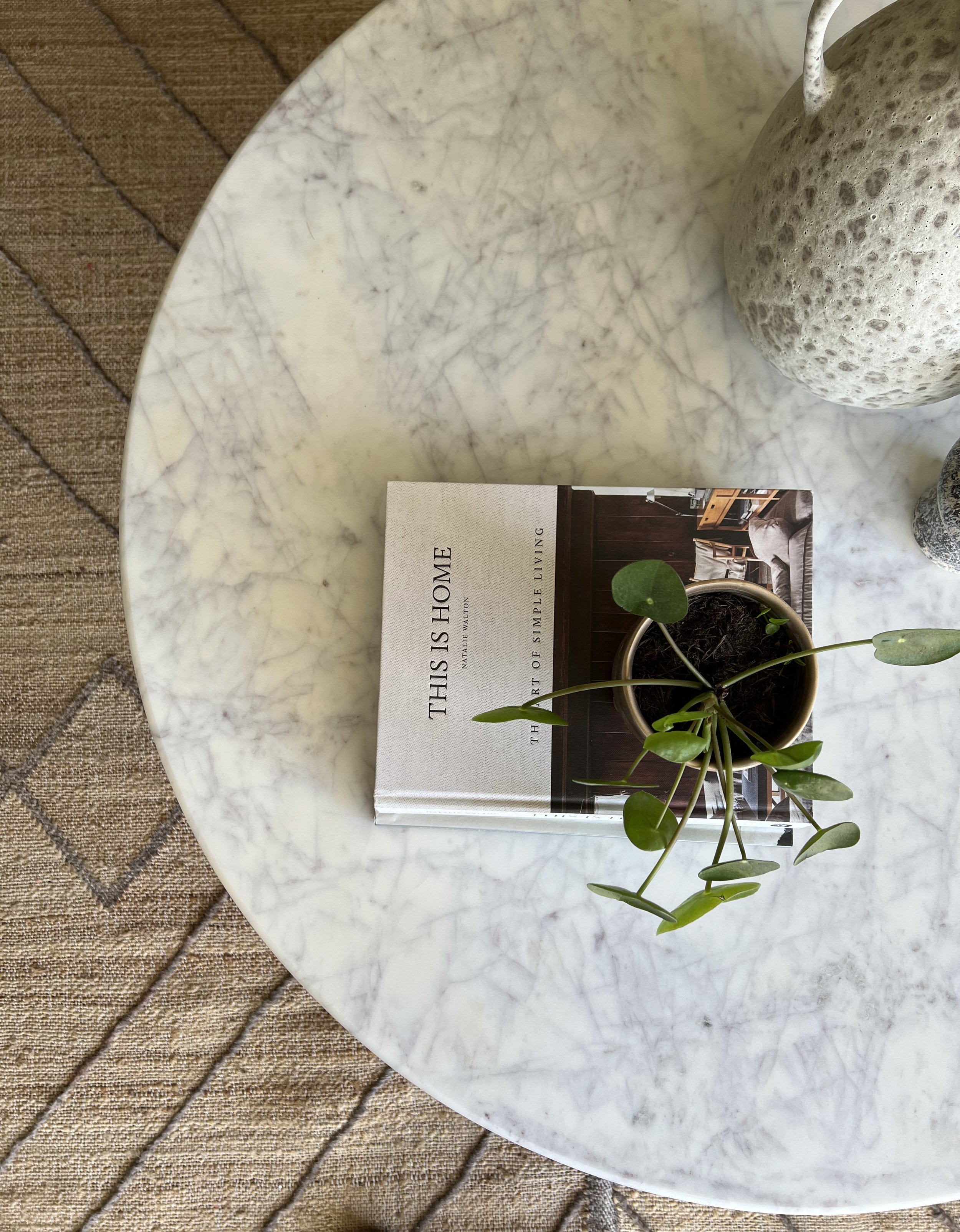
Without even realising it, we begin assessing our own homes through the imagined eyes of other people.
What would they think?
Would they like my home?
Do they like my decorating choices?
Or would they think it's too plain... too colourful... too much... not enough?
And this is where colour often falls at the very first hurdle.
Because colour is, above almost everything else, personal.
If we decorate our homes with an invisible panel of judges sitting in the background, quietly scoring every room out of ten for style, originality and taste, how can we ever create a home that feels completely and unmistakably ours?
I've often wondered what it must feel like to live in a home that hundreds of thousands of people recognise. A kitchen corner that strangers could identify instantly. A sofa that's appeared in thousands of saved Instagram posts.
Does it begin to feel less like your own home?
Does a small part of it somehow belong to everyone else?
Homes are supposed to be personal, intimate and reflective of the people who live in them. Yet increasingly they are designed for visibility, approval and trends.
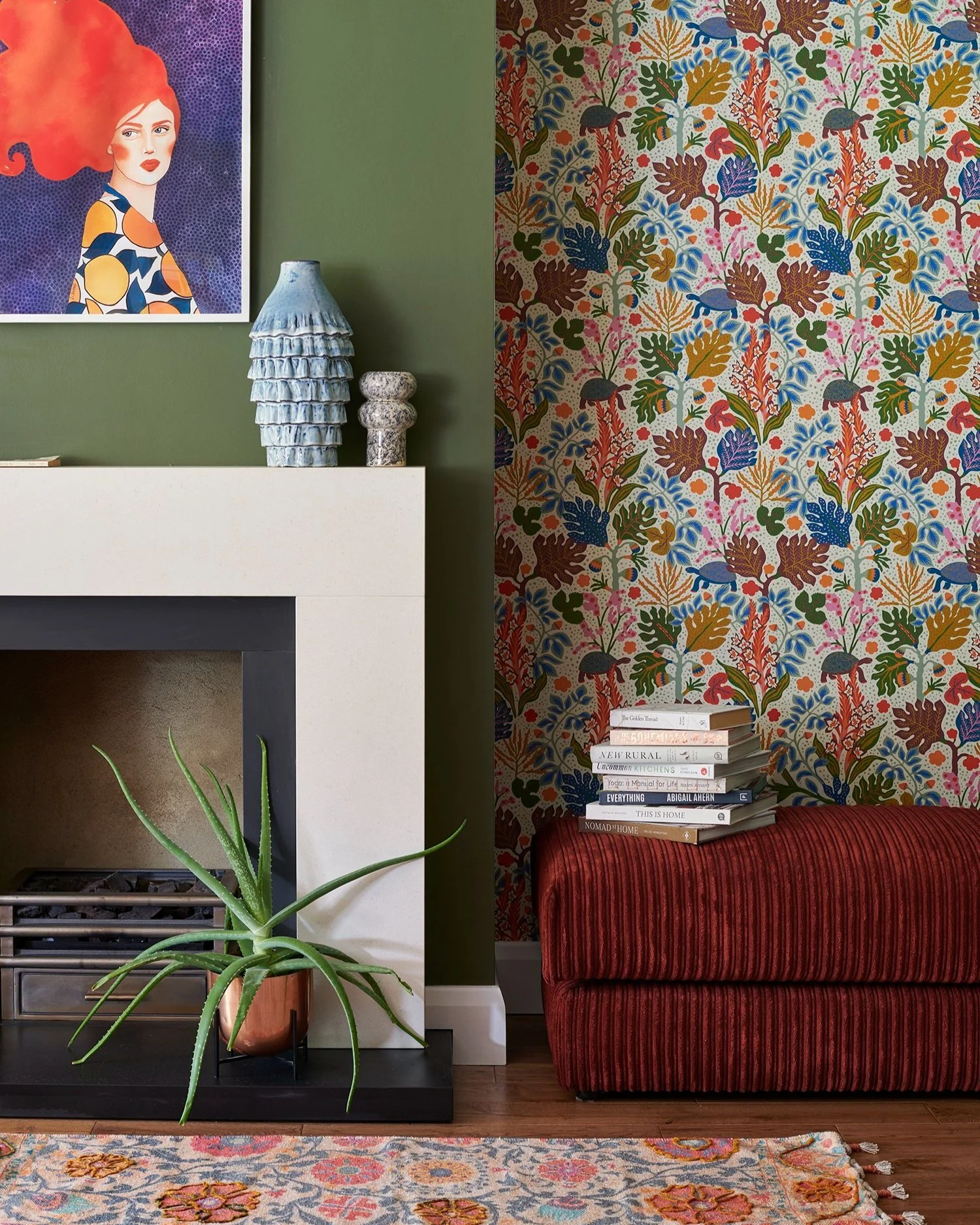
Knowing that, it's hardly surprising that so many people choose the grey sofa over the rich teal one. One quietly disappears into the background. The other invites opinion.
Which means that, if we want homes that genuinely reflect who we are, we have to become less interested in what everyone else might think.
That's much easier said than done.
But if colour is ever going to find its way back into our homes in a meaningful way, we have to stop imagining the audience quite so much.
Because there is no colour that everyone will love.
Nor should there be.
Colour has never been one-size-fits-all. It asks something much more difficult of us. It asks us to pay attention to how it makes us feel. It asks us to trust our own reactions rather than somebody else's.
That takes work.
Which is precisely why it's often easier to copy a room we've seen online.
What a shame that is.
Coming back to the idea of viewing our homes through the eyes of other people, it's fascinating to acknowledge how much has changed. Once among the most private of spaces, our homes are now quietly shaped by the opinions of people who may never actually step inside them.
When you stop and think about it, it's rather absurd.
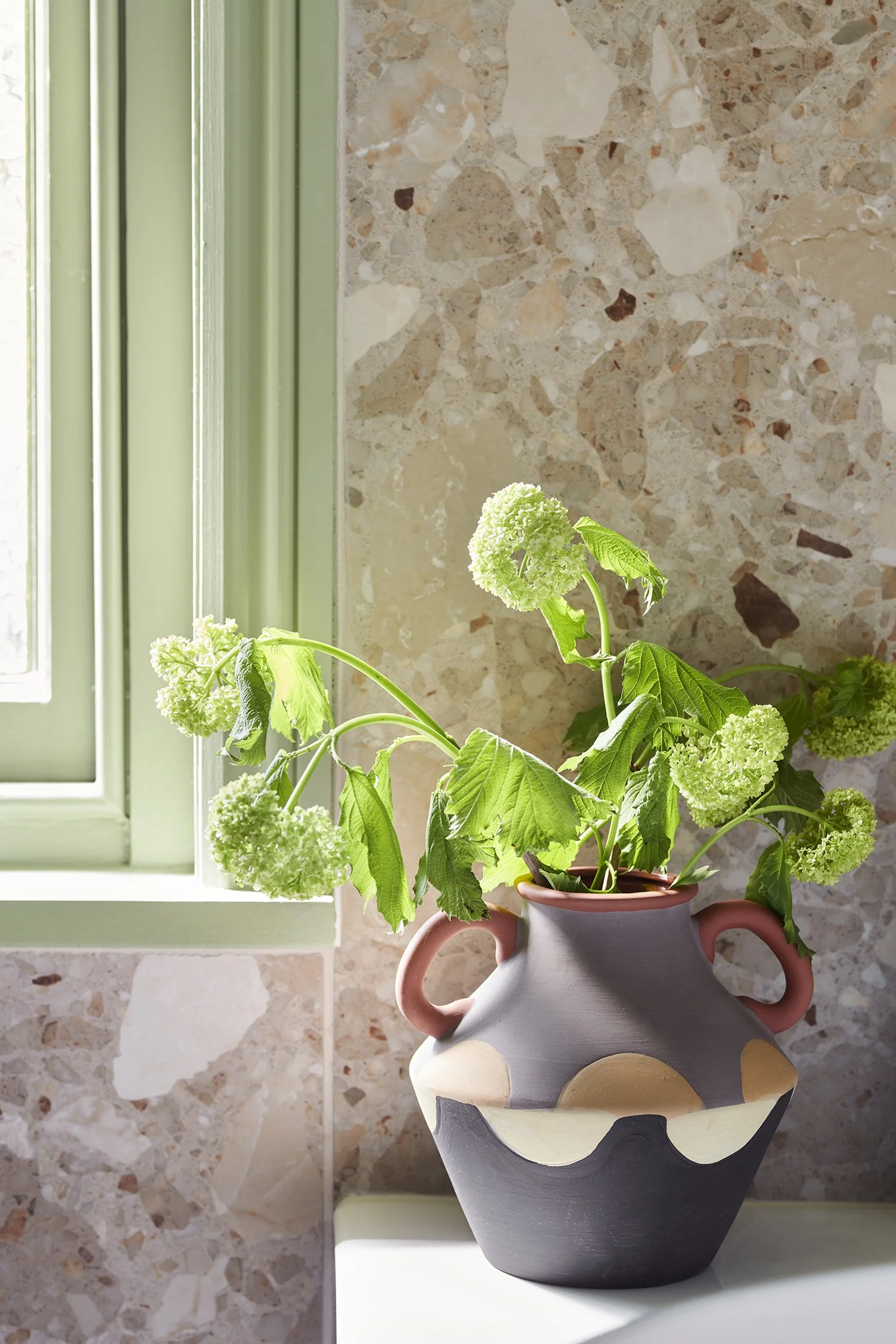
The irony, of course, is that the homes we remember are rarely the ones that follow a design formula.
They're the ones that reveal something about the people who live there.
Their collections.
Their memories.
The colours that make them feel something.
Those choices will never please everyone.
But perhaps that's exactly the point.
A home that feels deeply personal is unlikely to be universally admired.
And maybe we should stop expecting it to be.
Because the most meaningful homes aren't the ones that please everybody.
They're the ones that could never belong to anybody else.
Planning a renovation?
If you're looking for a designer who'll help you create a home that feels deeply personal - not simply beautifully decorated - I'd love to hear about your project.